
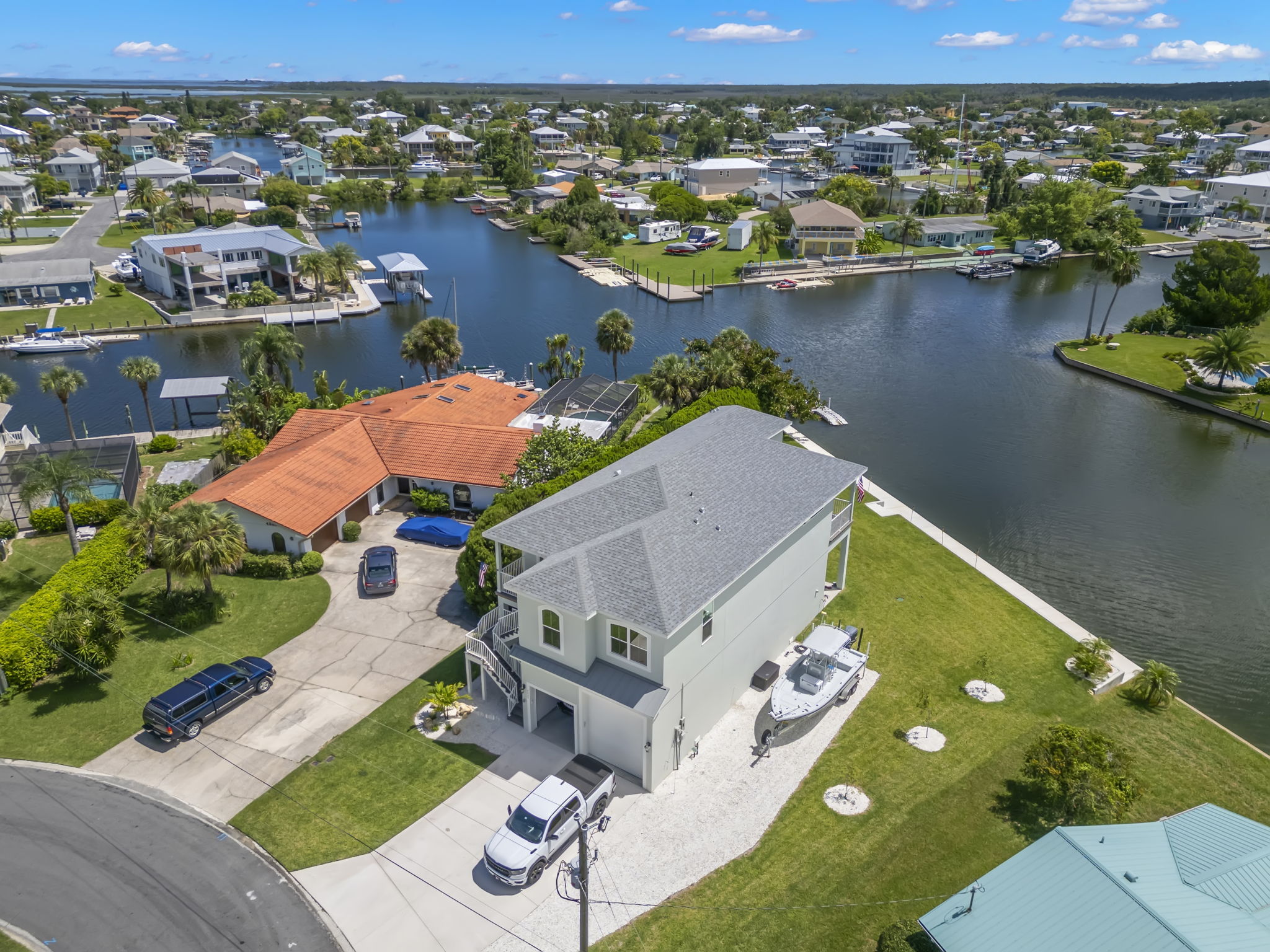
Building a custom coastal home is an exciting opportunity to create a space that’s designed specifically for your lifestyle while taking full advantage of Florida’s beautiful waterfront communities. Whether you’re building on a Gulf-front property, a canal, the Intracoastal Waterway, or a quiet neighborhood near the coast, the process involves more planning than a traditional home build. From evaluating your homesite to selecting the right foundation and designing for Florida’s coastal climate, every decision plays an important role in the success of your project.
The good news is that you don’t have to navigate the process alone. With more than 30 years of experience building custom homes throughout Florida, Covenant Homes guides homeowners through every stage of the design-build journey. Our goal is to make the experience organized, transparent, and enjoyable while creating a home that’s thoughtfully designed around your property and the way you want to live.
What To Expect During A Custom Build
Here’s what you can expect when building a custom coastal home.
Step 1: Find the Right Coastal Homesite
Every custom home begins with the land itself. Whether you already own property or are searching for the perfect homesite, selecting the right lot is one of the most important decisions you’ll make.
Florida’s Gulf Coast offers a variety of homesites, including:
- Gulf-front properties
- Waterfront lots
- Canal-front homes
- Intracoastal Waterway properties
- Open water lots
- Established coastal neighborhoods
Before purchasing land, it’s important to evaluate more than just the view. Consider factors such as lot dimensions, topography, flood zone designation, utility availability, accessibility, and neighborhood or HOA requirements. A beautiful coastal homesite should also support the type of home you want to build.
At Covenant Homes, we can evaluate your existing property or help you determine whether a prospective lot is a good fit for your vision before construction begins.
Step 2: Evaluate the Property
Once your homesite has been selected, the next step is to understand how the land will influence your home’s design and construction.
A comprehensive home site evaluation may include:
- Property survey
- Geotechnical soil analysis
- Utility availability
- Drainage review
- Flood zone verification
- Setback requirements
- Site clearing considerations
These evaluations help determine important construction decisions such as foundation type, home placement, grading requirements, and overall project budget. By identifying site-specific considerations early, homeowners can reduce surprises during construction and make more informed decisions throughout the planning process.
Step 3: Design Your Coastal Home
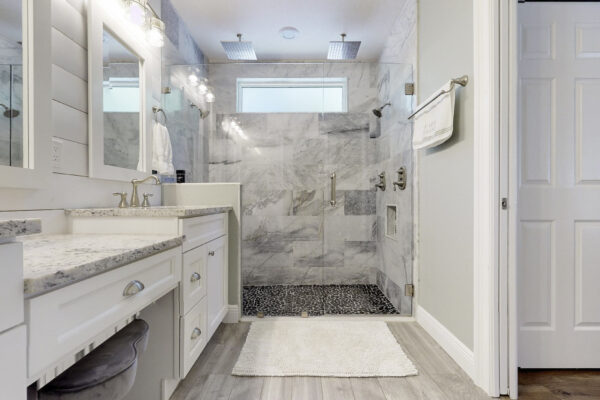
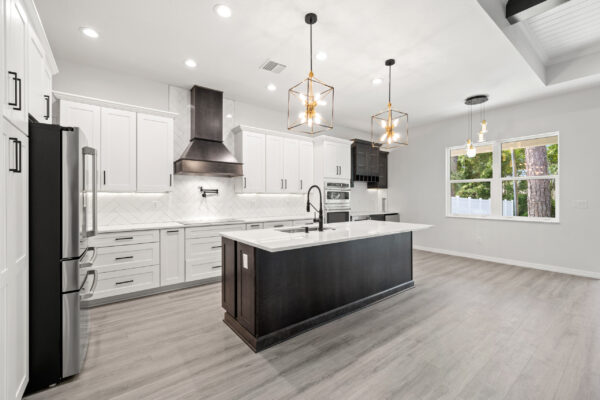
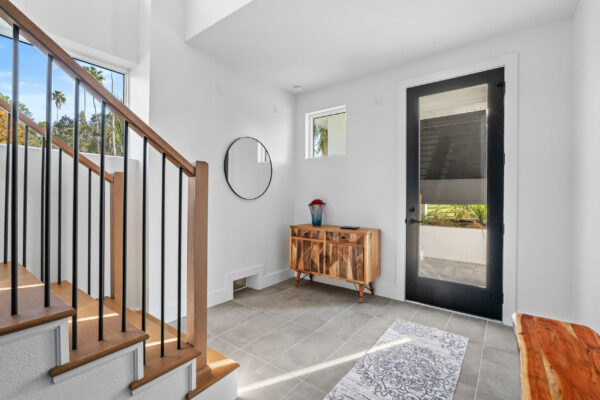
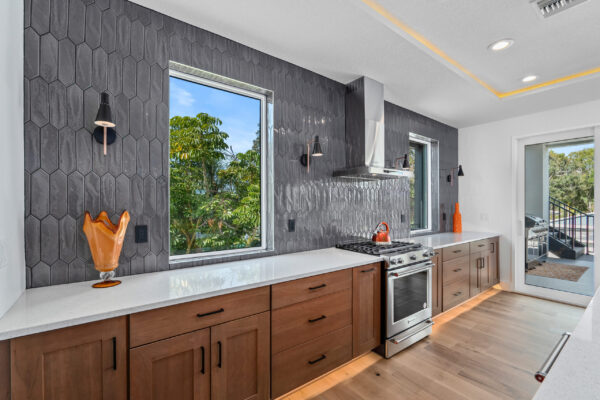
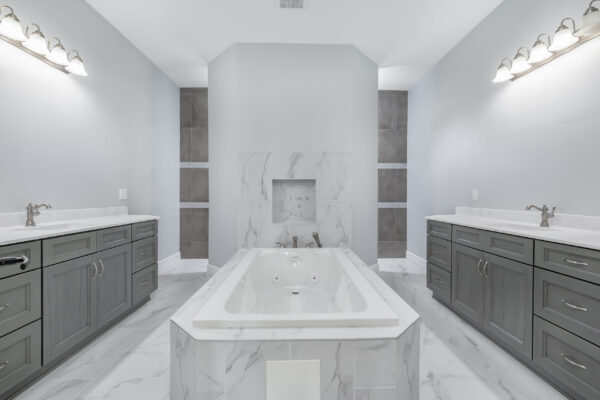
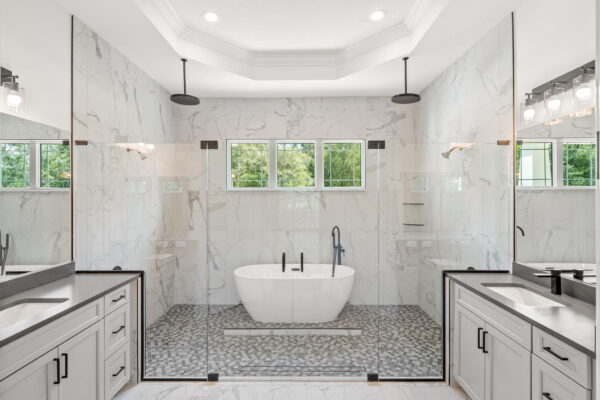
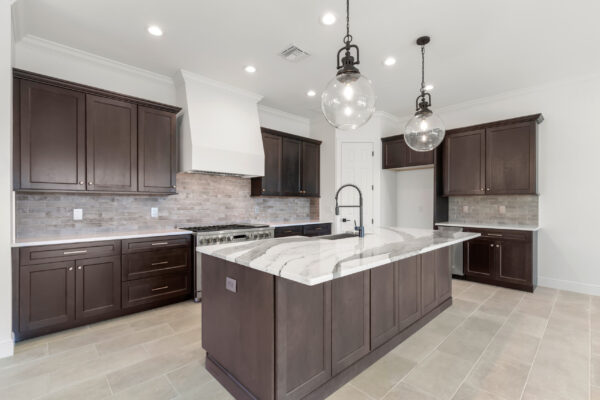
One of the greatest advantages of building a custom home is the ability to personalize every detail. Some homeowners begin with one of our existing floor plans and customize it to better suit their lifestyle, while others choose to design a completely custom home from the ground up. Either approach allows you to create a home that’s uniquely yours.
During the design phase, we work closely with you to incorporate the features that matter most to your family while maximizing the unique characteristics of your property.
Popular coastal home features include:
- Open-concept living spaces
- Large covered lanais
- Outdoor kitchens
- Expansive windows
- Pocket sliding glass doors
- Spacious primary suites
- Home offices
- Elevator-ready designs
- Guest suites
- Indoor-outdoor entertaining spaces
Our goal is to design a home that captures natural light, frames beautiful views, and creates seamless connections between indoor and outdoor living.
Step 4: Design for Florida’s Coastal Environment
Building near the coast requires specialized knowledge and careful planning. Unlike inland homes, coastal homes must account for Florida’s unique environmental conditions and current building standards.
An experienced coastal home builder understands how to incorporate features that improve both durability and long-term performance.
Depending on your property’s location, your home may include:
- Wind-resistant structural engineering
- Impact-rated windows and doors
- Elevated foundations
- Corrosion-resistant hardware
- Moisture-resistant building materials
- Energy-efficient insulation and windows
- Roofing systems designed for Florida’s coastal climate
These features not only help your home meet current building codes but also contribute to long-term comfort, efficiency, and peace of mind.
Step 5: Plan Your Budget and Financing
A successful custom home begins with a well-planned budget. In addition to construction costs, homeowners should consider expenses such as:
- Site preparation
- Utility connections
- Foundation requirements
- Permits
- Landscaping
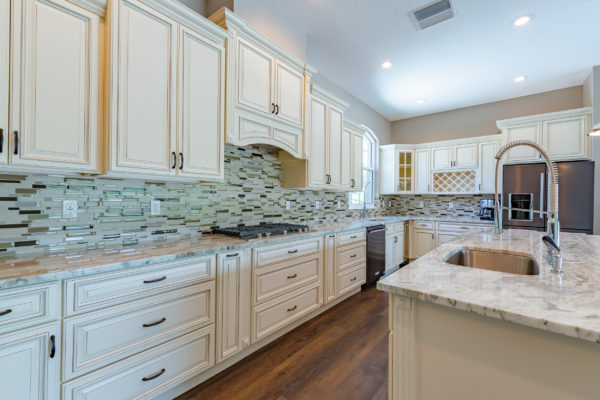
- Interior selections
- Outdoor living spaces
Many homeowners also choose construction-to-permanent financing, which simplifies the lending process by combining construction financing and a permanent mortgage into one loan.
Working with an experienced builder early in the process helps you develop realistic expectations, understand allowances, and prioritize the upgrades that will provide the greatest long-term value.
Step 6: Permitting and Pre-Construction
Before construction begins, several important planning activities take place behind the scenes.
During this phase, your builder coordinates items such as:
- Engineering approvals
- Building permits
- Municipal reviews
- HOA approvals, if applicable
- Material ordering
- Construction scheduling
Although this stage isn’t always visible, it’s an essential part of keeping your project organized and preparing for a successful build. Clear communication during pre-construction helps homeowners understand what to expect before work begins on the property.
Step 7: Construction Begins
Once permits have been approved, construction officially gets underway.
While every project is unique, the building process typically includes several major milestones:
- Site preparation and grading
- Foundation installation
- Framing
- Roofing
- Windows and exterior finishes
- Plumbing, electrical, and HVAC systems
- Insulation and drywall
- Interior trim and cabinetry
- Flooring and finishes
- Final inspections
Throughout construction, our team provides regular updates and communication so you’ll always know how your home is progressing.
Most custom coastal homes are completed approximately 10 to 14 months after construction begins, although timelines may vary depending on permitting, weather, site conditions, and the level of customization.
Step 8: Final Walkthrough and Move-In
As construction nears completion, we’ll conduct a detailed walkthrough of your new home together. During this stage, we’ll review the completed work, answer any questions, and address any final items before closing.
We’ll also explain the operation of your home’s systems, discuss warranty information, and ensure you’re comfortable with every aspect of your new home before move-in day. Watching your vision become reality is one of the most rewarding parts of the entire process.
Why Coastal Experience Matters
Building a custom coastal home requires more than quality craftsmanship—it requires experience navigating the unique challenges of waterfront and coastal construction.
For more than 30 years, Covenant Homes has helped homeowners throughout Florida design and build personalized homes that complement both their lifestyle and their property. From evaluating homesites and modifying floor plans to coordinating permits and managing construction, our experienced team is committed to making every step of the process as smooth as possible.
Whether you’re building on your own lot, along Florida’s Gulf Coast, or within one of the state’s growing coastal communities, we combine personalized service with thoughtful design to create homes that are built to last.
Start Your Coastal Home Journey with Confidence
Building a custom coastal home is a significant investment, but with the right builder, it can also be an exciting and rewarding experience. By understanding each step of the process, from evaluating your property and designing your home to construction and final walkthrough, you’ll feel more confident making informed decisions along the way.
If you’re just beginning your research, be sure to visit our Frequently Asked Questions page for additional information about custom home building, financing, timelines, and building on your own lot.
When you’re ready to take the next step, Covenant Homes is here to help. Contact our team today to schedule a consultation and learn how we can bring your vision to life with a custom coastal home that’s thoughtfully designed around your property, your lifestyle, and your future.



Already Own a Lot?
Partner with our team to create a custom home that perfectly fits your vision and land.
Need a Lot?
We have select lots available for your new home, or if you don’t see the perfect fit, we’re happy to help you find the ideal property to build on.