Covenant Homes has been building homes in the Pinellas County area for more than 30 years. Our design flexibility and personal touch sets us apart from other custom home builders in Pinellas County. We listen to your ideas and ensure your home is just the right fit for you.
Why People Choose to Build a Home Pinellas County
Pinellas County, Florida offers the perfect blend of coastal living, vibrant communities, and convenient city access. From the white sand beaches of Clearwater to the artsy vibe of downtown St. Petersburg, residents enjoy year-round sunshine, top-rated schools, and endless recreational opportunities. Whether you’re drawn to waterfront views, walkable neighborhoods, or a laid-back lifestyle, Pinellas County has something for everyone. It’s no wonder families, retirees, and professionals alike are choosing to build their dream homes here.
Pinellas County is also home to beautiful cities such as Dunedin, Oldsmar and Tarpon Springs. The 35 miles of Gulf Coast beaches that surround Pinellas County make it an attractive location to live in Florida.We have designed and built homes that are specifically designated for coastal areas.
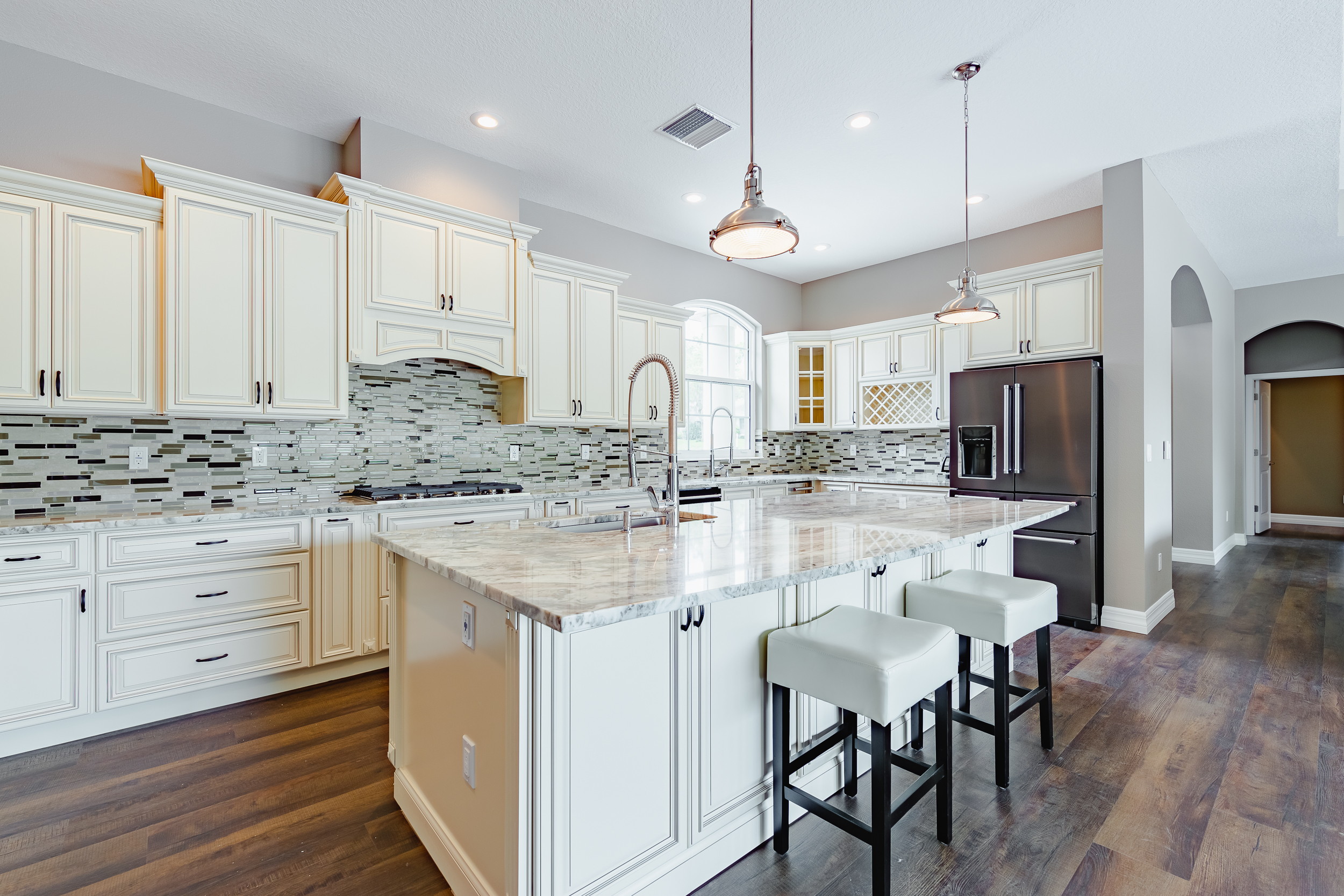
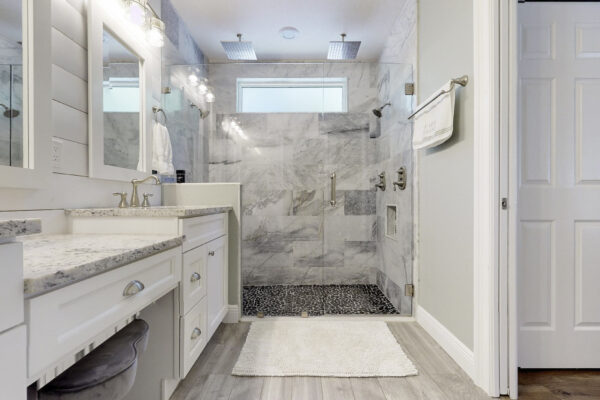
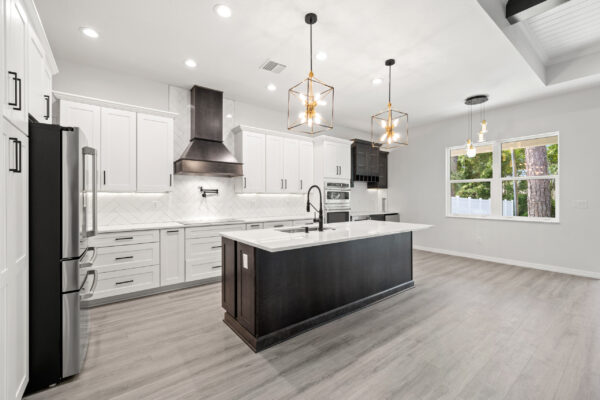
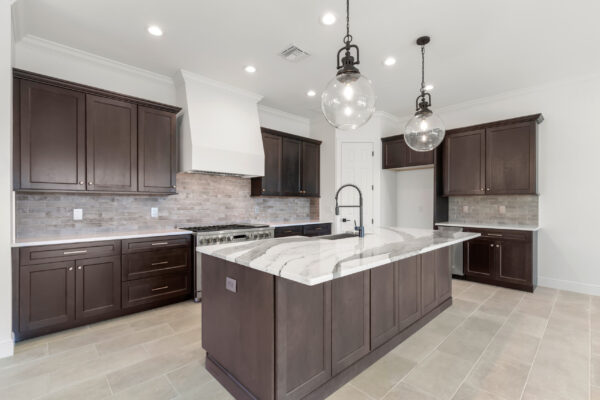
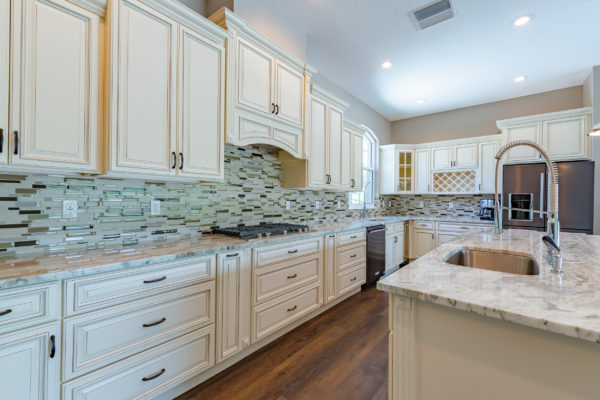
We have dozens of coastal floorplans for you to choose from. One of our popular coastal home floorplans you may want to consider is the Octavia.
View our Coastal Floor Plans
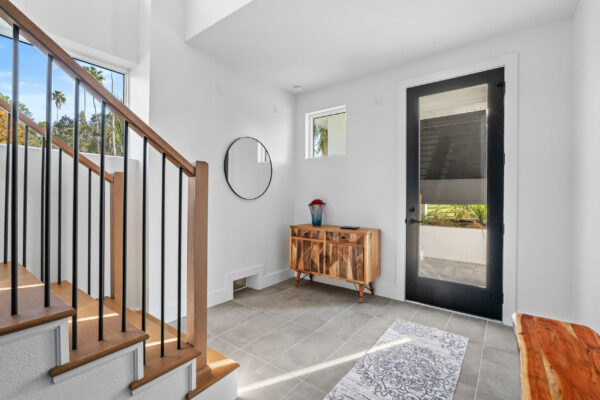
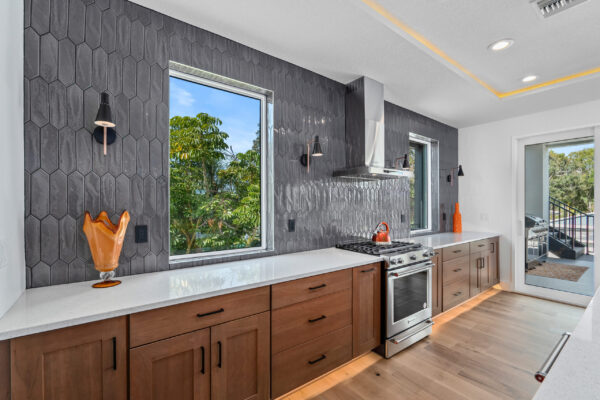
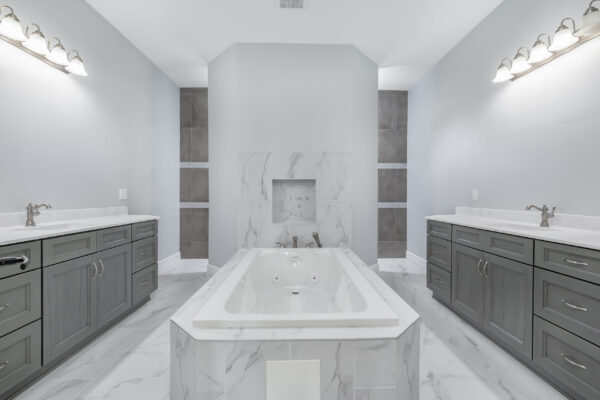
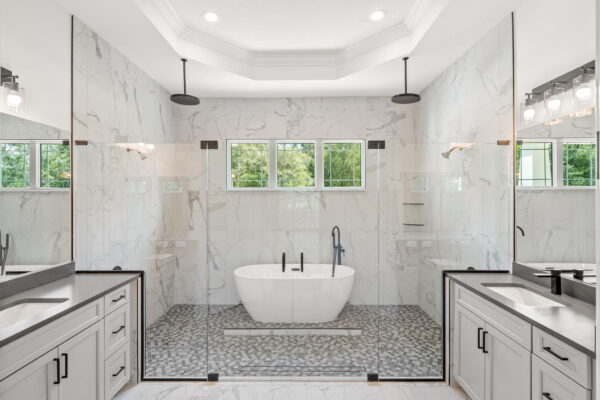
View Our Floor Plans
Key Considerations for a Coastal Home
When evaluating a site for your custom coastal home, there are some key factors to consider to make sure you’re choosing the perfect spot for your dream home.
Understanding Flood Zones
Coastal Zones Explained
- AE Zone: The AE zone is typically found in areas that are subject to flooding during a 100-year flood event, which has a 1% chance of occurring in any given year. Buildings in this zone are required to have their lowest floor elevated to at least one foot above the Base Flood Elevation (BFE). This helps minimize flood damage while ensuring compliance with local building codes and insurance requirements. Sometimes flood compensation requirements are involved so a civil engineer should be consulted to determine the feasibility of these requirements.
- V Zone: The V zone, or Velocity zone, is located in areas where wave action can cause significant flooding and erosion during storms. Structures in this zone must be elevated to a height that is at least one foot above the BFE, and they must be supported by pilings, columns, oversized footers, and breakaway walls. This design is crucial to withstand the forces of moving water and reduce the risk of structural damage.
- Coastal A Zone: The Coastal A zone is an intermediate area between the AE and V zones, where wave action is less severe but still poses a flood risk. Structures in this zone are also required to be elevated above the BFE, though the exact height requirements can vary based on local regulations. The building requirements for Coastal A zones are very similar to those required in VE zones.
- Conclusion: Understanding these zones is essential for coastal home building. At Covenant Homes, we are committed to guiding our clients through the complexities of coastal construction to ensure that their homes are safe, resilient, and tailored to their needs.
Soil Composition
Water-adjacent properties often have varying soil compositions, such as sand, silt, clay, and organic material, which can significantly impact the stability and suitability for construction. A geotechnical report provides a detailed analysis of the soil composition. This report is required when the property is in a coastal flood zone as it has an effect on the design and cost to build.
Environmental Considerations
Assess any environmental restrictions or protected areas, such as wetlands, that may impact construction.
Custom Foundation Solutions
Building near or on the water may require specialized foundation techniques like pilings, piers, or deep foundations. The geotechnical report provides essential data to design these foundations correctly.
Take a look at the popular coastal home floorplans below, or work with our design team to create a completely custom floorplan.
View Coastal Floorplans
Already Own a Lot?
Partner with our team to create a custom home that perfectly fits your vision and land.
Need a Lot?
We have select lots available for your new home, or if you don’t see the perfect fit, we’re happy to help you find the ideal property to build on.
Benefits of Building a Custom Home
One decision every home buyer needs to make is whether to buy an existing home or have a new one custom built. There are several advantages to working with a custom home builder. You can customize a new home to fit your needs and preferences. You get to choose the layout, number of rooms, number of bathrooms, how many closets and style of your new home, among other customizations.
Even though you can renovate an older home, you’re still limited to a great extent by its original size, style, and structure. With a custom home, you can also avoid many issues that may affect older homes, such as problems with plumbing, lack of waterproofing, or outdated electrical wiring.


Pinellas County Custom Home Build Process
When you’re ready to begin building your custom home, Covenant Homes is here to guide you through every step of the process. Our proven design-build approach provides a clear, structured path forward, so you always know what to expect. Together, we’ll take your ideas, refine your vision, and bring your home to life with a process that’s thoughtfully designed around your goals, timeline, and lifestyle.
Step 1: Get Pre-Approved
Before building begins, it’s important to get pre-approved for a construction loan. We work with a wide range of lenders, but our preferred lending partners have extensive experience with new home construction. You can reach out to them directly or contact our team for a personalized introduction.
Step 2: Evaluate Your Lot
Once your property contract is signed, Covenant Homes conducts a detailed lot assessment. This includes evaluating site conditions, estimating site work, identifying potential well or septic needs, and calculating impact fees. We’ll set a clear allowance for these costs upfront, and if your project comes in under budget, we credit the savings back to you.
Step 3: Choose Your Floor Plan
Whether you select one of our popular custom home plans or bring your own vision, we’re here to make it work. The easiest and most affordable option is to choose an existing floor plan and tailor it to your needs. If you’re dreaming bigger, we also offer full custom home options, even beyond what’s shown online. Share your ideas with us and we’ll show you hidden gems from our private plan collection.
Step 4: Kickoff + Design Meeting
Once financing is in place and your lot is assessed, it’s time to meet. We’ll walk you through the full home building process and discuss your design preferences—everything from flooring and cabinetry to paint, hardware, and more. Meetings can be in person or virtual.
Step 5: Budget + Contract Signing
We’ll finalize your selections, define your scope, and lock in your pricing with a detailed contract. You’ll know exactly what to expect with no surprises down the road.
Step 6: Build Begins
With the contract signed, construction gets underway. On average, our build timeline is approximately 12 months from groundbreaking—though homes requiring pilings or specialty foundations may take longer. Throughout the process, we keep you updated at every stage.
Why Choose Covenant Homes
If you are looking for a custom home builder in Pinellas County, learn why more home buyers are choosing to work with Covenant Homes and build a new, custom home.
Covenant Homes has been building homes in Florida for more than five generations and has a strong reputation with positive reviews and customer testimonials. The home design team will work with you every step of the way to ensure you understand what’s going on and what the progress is on your new home.