
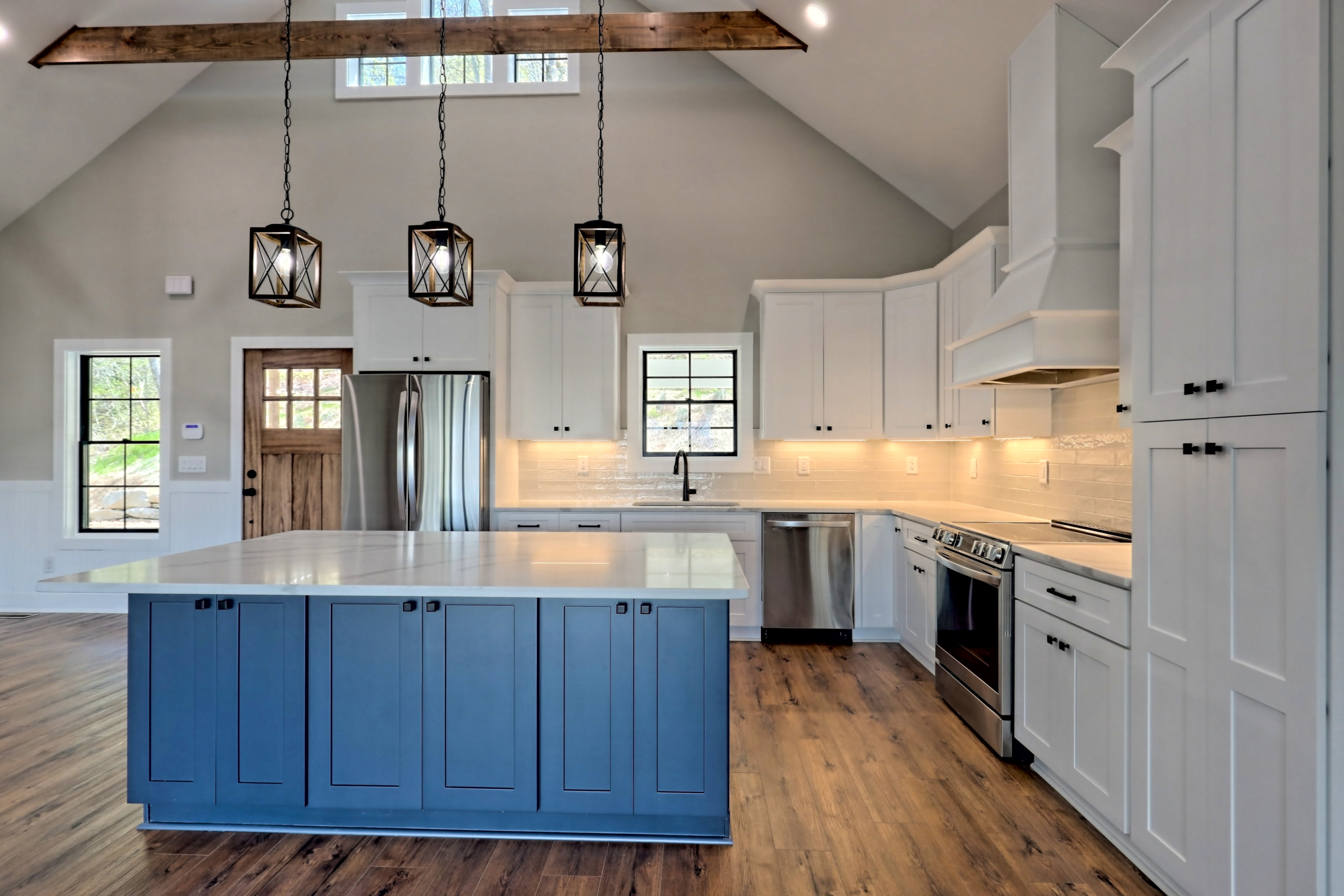
As homeowners continue to prioritize personalization, sustainability, and smarter living, the world of custom home building is evolving rapidly. In 2026, we’re seeing exciting shifts in both the materials used to construct homes and the technologies that shape how we live in them.
Whether you’re designing your dream home from the ground up or just beginning to explore your options, understanding the top trends in home materials and building technology can help you make better choices for comfort, longevity, and long-term value.
Let’s take a look at the leading trends in 2026 that are shaping the future of custom homes.
1. Sustainable Building Materials
Eco-conscious design is no longer just a preference – it’s a priority. Today’s homebuyers are actively seeking materials that reduce environmental impact without compromising beauty or durability.
Key sustainable materials trending in 2026:
- Reclaimed wood: Adds character and warmth while reducing the need for newly harvested timber.
- Recycled steel and concrete: Ideal for framing and foundational elements, offering strength and sustainability.
- Bamboo: A fast-growing, renewable resource now being used in flooring, paneling, and cabinetry.
- Low-VOC paints and finishes: Protect indoor air quality while delivering long-lasting results.
Beyond the materials themselves, many builders are taking a full lifecycle approach by choosing materials with lower embodied carbon and focusing on waste reduction throughout the build.
2. Smart Home Integration – From the Ground Up
In 2026, smart home technology is no longer a luxury add-on, it’s becoming a standard part of the custom build process. By integrating smart features at the time of construction, homeowners benefit from seamless automation, enhanced security, and long-term energy efficiency.
Popular smart home features built into new custom homes include:
- Smart thermostats and zoning systems that adjust based on occupancy and usage patterns.
- Integrated security systems with remote monitoring, motion sensors, and smart locks.
- Voice-controlled lighting and climate control for enhanced convenience.
- Energy monitoring systems to help track and manage consumption room by room.
As custom builders, incorporating these systems during construction helps avoid costly retrofits later, and gives homeowners a true “smart from the start” experience.
3. High-Performance Windows and Insulation
Energy efficiency is at the heart of modern custom homes. Now, advancements in window technology and insulation materials are allowing homeowners to stay comfortable while reducing energy bills year-round.
Top insulation and window trends include:
- Triple-pane windows with low-E coatings for maximum thermal performance.
- Spray foam insulation for superior air sealing in walls and attics.
- Phase-change materials (PCMs) that help regulate indoor temperature by absorbing and releasing heat.
- Solar-reflective roofing to reduce heat gain and improve HVAC efficiency.
Together, these innovations not only help keep the home cozy in winter and cool in summer, but they also contribute to better indoor air quality and long-term structural integrity.
4. Indoor Air Quality as a Design Priority
With health and wellness top of mind for many buyers, 2026 brings a renewed focus on the air we breathe inside our homes. Custom homes are now being designed with built-in systems to support cleaner air and better ventilation.
What’s trending:
- Whole-home air purification systems that filter out allergens, VOCs, and airborne contaminants.
- ERVs (Energy Recovery Ventilators) that bring in fresh outdoor air while retaining indoor temperature.
- Smart humidifiers and dehumidifiers integrated with HVAC systems to maintain ideal humidity levels.
Builders are also choosing low-emission building products to reduce off-gassing and ensure proper airflow with smart design layouts.
5. Natural Finishes and Earth-Inspired Aesthetics
Gone are the days of sterile all-white interiors. Today, homeowners are gravitating toward natural textures, organic tones, and finishes that evoke a connection to nature.
Designers and builders are incorporating:
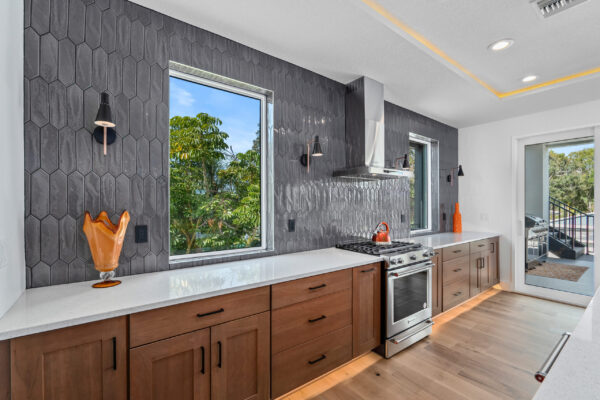
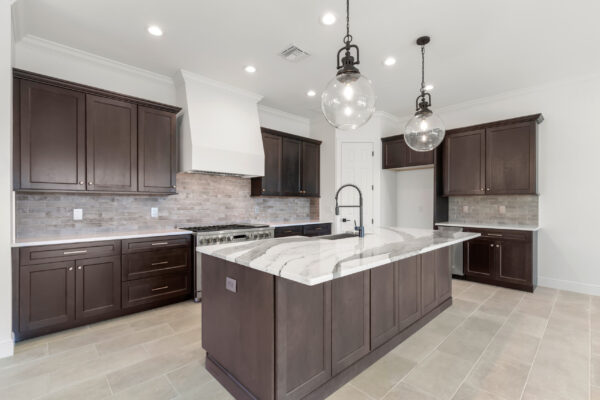
- Warm wood tones in cabinetry, flooring, and ceilings
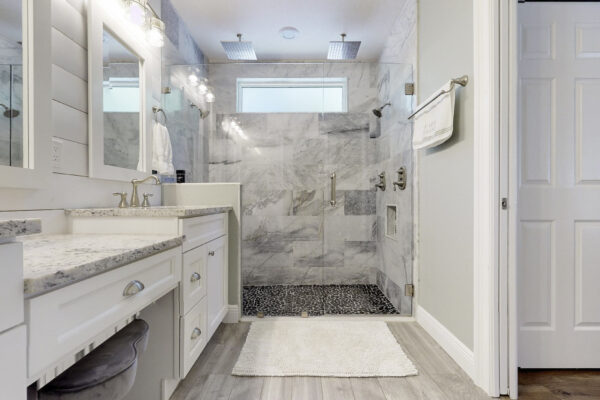
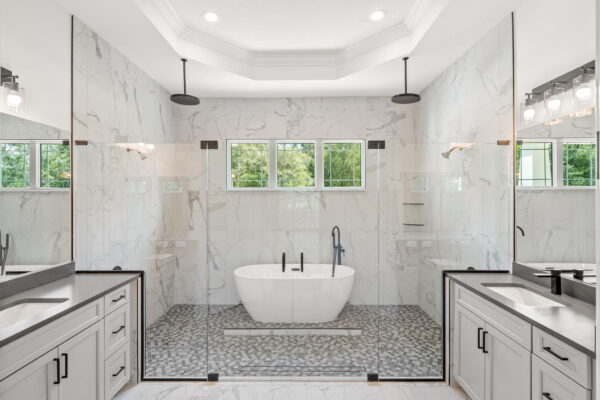
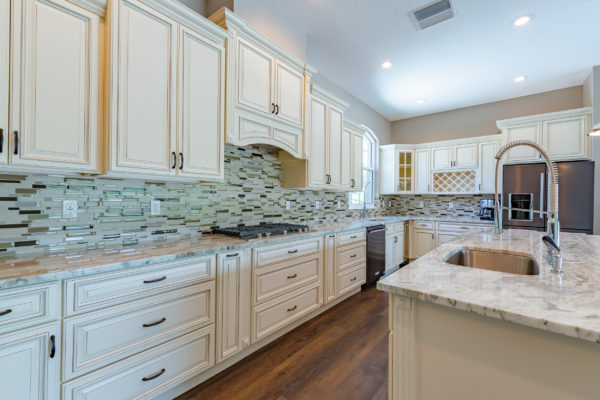
- Earthy stone surfaces like quartzite and travertine in kitchens and bathrooms
- Clay-based or limewash paints that offer soft, breathable finishes
- Biophilic design elements, such as green walls or indoor planters
This trend not only enhances visual comfort but also supports the broader movement toward wellness-centered living.
6. Flexible Floorplans for Evolving Lifestyles
The pandemic reshaped how we use our homes, and the effects of those changes continue into 2026. More families are asking for flexible layouts that adapt to work-from-home, multi-generational living, and future needs.
Popular design features include:
- Convertible rooms that can shift between office, guest room, or gym.
- Hidden storage solutions integrated into stairs, walls, and furniture.
- Pocket doors or sliding partitions to separate or open spaces as needed.
- Dual-primary suites to accommodate aging parents or long-term guests.
A smart custom home plan anticipates future life stages and offers the adaptability to meet them without costly remodels.
7. Outdoor Living Spaces That Feel Like Extensions
Outdoor living isn’t just about patios anymore. Now, custom homes are embracing the idea of indoor-outdoor flow by designing outdoor spaces that feel like natural extensions of the home.
What buyers want in outdoor living:
- Covered lanais or verandas for shade and year-round usability
- Outdoor kitchens with built-in grills, refrigerators, and seating
- Retractable glass walls or oversized sliding doors to blur boundaries between interior and exterior
- Fire pits, plunge pools, and pergolas for comfort and ambiance
When planned from the beginning, these features add immense value and livability, especially in states like Florida and Georgia with mild year-round climates.
8. Water Efficiency and Storm Resilience
As climate patterns shift, resilient design is becoming non-negotiable. Today, custom homes in the Southeast are being built to handle everything from summer storms to seasonal drought.
Builders are incorporating:
- Rainwater harvesting systems for landscape irrigation
- Drought-resistant native landscaping
- Impact-resistant windows and doors to protect against high winds
- Proper site grading and drainage to mitigate flood risk
Whether building in coastal Florida or the rolling hills of North Georgia, resiliency is a wise investment in both safety and longevity.
Design for the Future, Build for Life
Building a custom home is about more than just square footage and finishes – it’s about creating a home that reflects your values, supports your lifestyle, and adapts with you over time.
By embracing the material and technology trends of 2026, homeowners can enjoy a home that’s smarter, healthier, more sustainable, and better suited for modern living.
Ready to Build Your Future-Ready Home?
At Covenant Homes, we’ve been helping families bring their dream homes to life for more than 30 years. Whether you’re drawn to natural materials, smart home innovations, or flexible living spaces, our experienced team can help you design and build a custom home that’s built to last.
We build throughout Florida and North Georgia, including Pinellas, Pasco, Hillsborough, and the scenic mountain regions of Northeast Georgia. We can build on your own lot or help you find the perfect location.
Contact us today to start designing your 2026 dream home.
View Our Floor Plans