
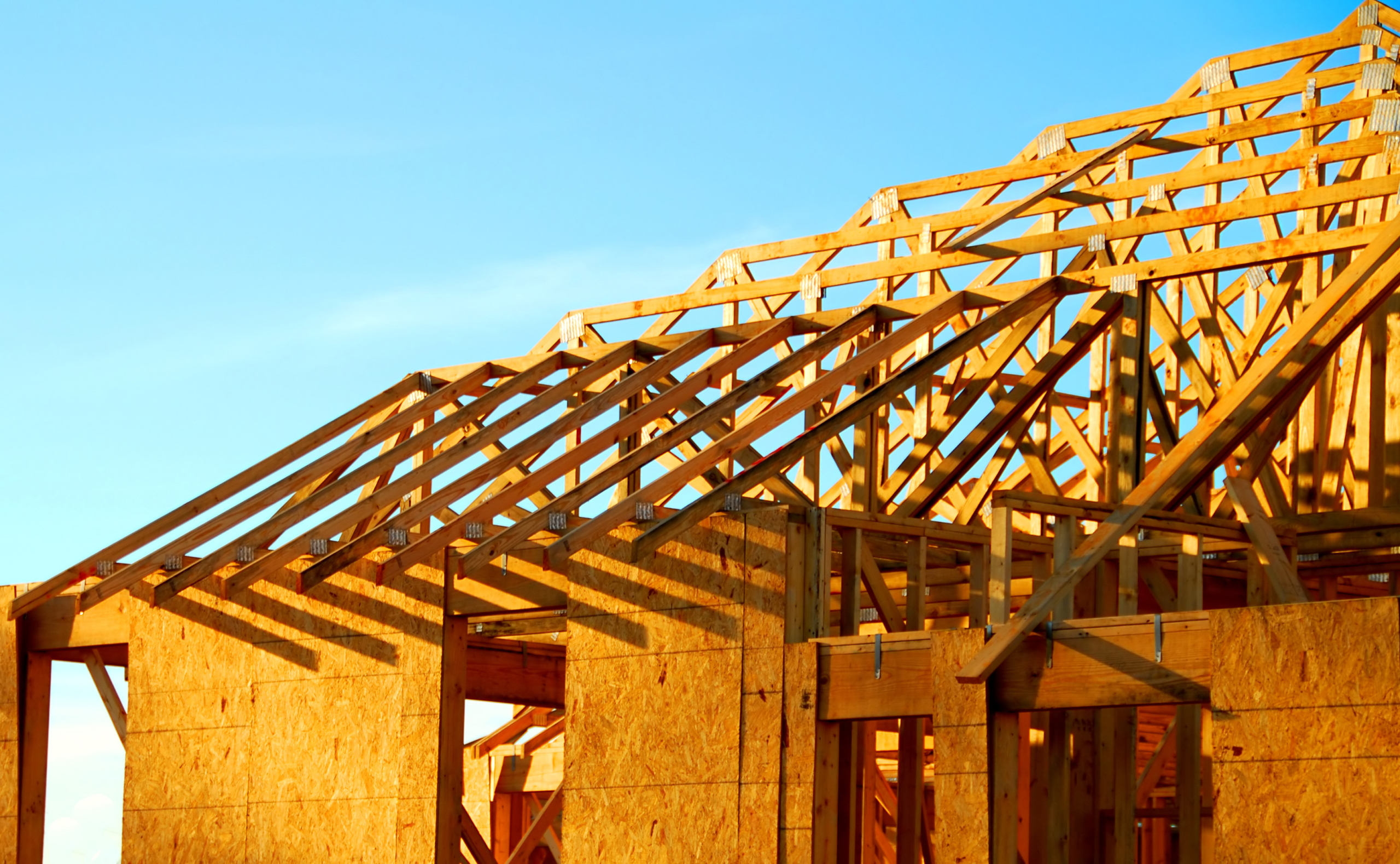
In today’s competitive housing market, many buyers are discovering a powerful alternative to traditional home buying: purchasing an existing home with the intention of tearing it down and rebuilding a completely custom residence. Known as a “knockdown rebuild,” this approach allows you to secure a desirable location while creating a home that fits your exact needs.
For homeowners in Florida and Georgia, where location, land availability, and lifestyle preferences play a major role, this strategy offers a unique opportunity to build something truly personalized without starting from raw land.
If you’re considering this path, it’s important to understand how to select the right property and what to expect throughout the knockdown and rebuild process.
Why Consider a Knockdown Rebuild?

In many areas, especially established neighborhoods, finding vacant land can be difficult. A knockdown rebuild allows you to bypass that challenge by purchasing an existing home in a location you love and transforming it into something entirely new.
Key Benefits
- Prime Location Access: Get into established neighborhoods, waterfront areas, or desirable school zones
- Full Customization: Design your home from the ground up with modern layouts and finishes
- Updated Systems: Avoid outdated plumbing, electrical, and structural issues
- Potential Cost Efficiency: In some cases, rebuilding can be more cost-effective than major renovations
This approach is especially appealing in areas like Tampa, St. Petersburg, and North Georgia mountain communities, where location is often just as valuable as the home itself.
Step 1: How to Choose the Right Property
The success of your knockdown rebuild starts with selecting the right home to purchase. Not every property is a good candidate, so careful evaluation is essential.
Focus on the Land, Not the House
When buying for a knockdown rebuild, you’re primarily investing in the lot, not the existing structure.
Items to consider for your land selection:
- Lot size and dimensions
- Location within the neighborhood
- Orientation for natural light and views
- Potential for outdoor living spaces
The current home’s condition is less important, but the land’s potential is everything.
Evaluate Zoning and Restrictions
Before purchasing, confirm what you’re allowed to build on the property.
Key considerations include:
- Zoning regulations
- Setback requirements
- Height restrictions
- HOA guidelines (if applicable)
These factors determine the size and style of the home you can build.
Assess Site Conditions
Site conditions can significantly impact your budget and timeline.
Evaluate:
- Topography and grading
- Flood zones (especially in Florida)
- Soil quality and drainage
- Utility connections
In North Georgia, sloped lots may require additional engineering, while in Florida, flood zones may influence foundation design.
Consider Demolition Feasibility
Not every home is easy – or cost-effective – to tear down.
Before purchasing a home, ask:
- Is the structure safe to demolish?
- Are there hazardous materials (like asbestos)?
- What are the local demolition regulations?
Working with a custom home builder early can help identify any red flags before you commit.
Step 2: Understand the Knockdown Rebuild Process
Once you’ve secured the right property, the process moves into planning and construction.
Phase 1: Planning and Design
This phase sets the foundation for your entire project.
It typically includes:
- Initial consultation with your builder
- Lot evaluation and feasibility review
- Custom home design and floor plan development
- Budget alignment
This is where your vision begins to take shape. With a fully custom home, you have the flexibility to design around your lifestyle, whether that includes open-concept living, dedicated office space, or outdoor entertaining areas.
Phase 2: Permits and Approvals
Before demolition or construction begins, you’ll need to secure the necessary approvals.
This includes:
- Demolition permits
- Building permits
- Environmental or zoning approvals
Permit timelines vary by location, but working with an experienced builder helps streamline the process and avoid delays.
Phase 3: Demolition
Once permits are in place, the existing structure is removed.
This phase includes:
- Utility disconnection
- Safe demolition of the home
- Site clearing and preparation
Depending on the property, this process can take anywhere from a few days to a few weeks.
Phase 4: Construction of Your New Home
After demolition, construction begins on your custom home.
Typical steps include:
- Foundation installation
- Framing and structural work
- Roofing and exterior finishes
- Interior systems and finishes
On average, the construction phase takes 10 to 14 months, depending on the complexity of the design and site conditions.
Pros and Cons of a Knockdown Rebuild
Like any homebuilding approach, there are advantages and considerations to keep in mind.
Pros
- Complete Customization: Design a home that fits your lifestyle
- Modern Efficiency: Incorporate energy-efficient systems and smart home technology
- Better Use of Space: Optimize layout and functionality
- Location Advantage: Build in established or high-demand areas
Cons
- Permitting Requirements: Additional approvals are needed for demolition and rebuild
- Property Search Challenges: Finding the right home at the right price can take time
- Upfront Planning: Requires more coordination than purchasing a move-in-ready home
Understanding these factors helps you make a confident, informed decision.
Florida vs. Georgia Considerations
Where you build matters, and each region has unique factors to consider.
Florida
- Flood zone requirements may impact foundation design
- Hurricane-resistant construction is essential
- Coastal properties may have additional regulations
North Georgia
- Sloped terrain may require grading or basement designs
- Septic systems and well water are common
- Tree clearing and site prep may be required
An experienced home builder will guide you through these regional differences to ensure your home is designed and built correctly.
Tips to Avoid Common Mistakes
To ensure a smooth knockdown rebuild process, keep these important tips in mind:
- Work with a builder early to evaluate the property before purchase
- Understand total costs, including demolition and site work
- Plan for timeline flexibility due to permits and weather
- Choose a builder with local experience in Florida or Georgia
The more informed you are upfront, the more successful your project will be.
Start Your Knockdown Rebuild with Confidence
A knockdown rebuild offers a unique opportunity to combine the best of both worlds: the location you want and the home you’ve always envisioned. With the right property, a clear plan, and an experienced builder, you can transform an outdated structure into a modern, fully customized home.
At Covenant Homes, we bring more than 30 years of experience helping homeowners navigate the entire process – from evaluating properties to managing demolition, design, and construction. Whether you’re building in Florida or the North Georgia mountains, our team is here to guide you every step of the way.
Are You Ready to Get Started?
Start with a consultation to discuss your goals, evaluate a potential property, and explore what’s possible.
Let Covenant Homes help you turn the right piece of land into the perfect custom home.
View Our Floor Plans