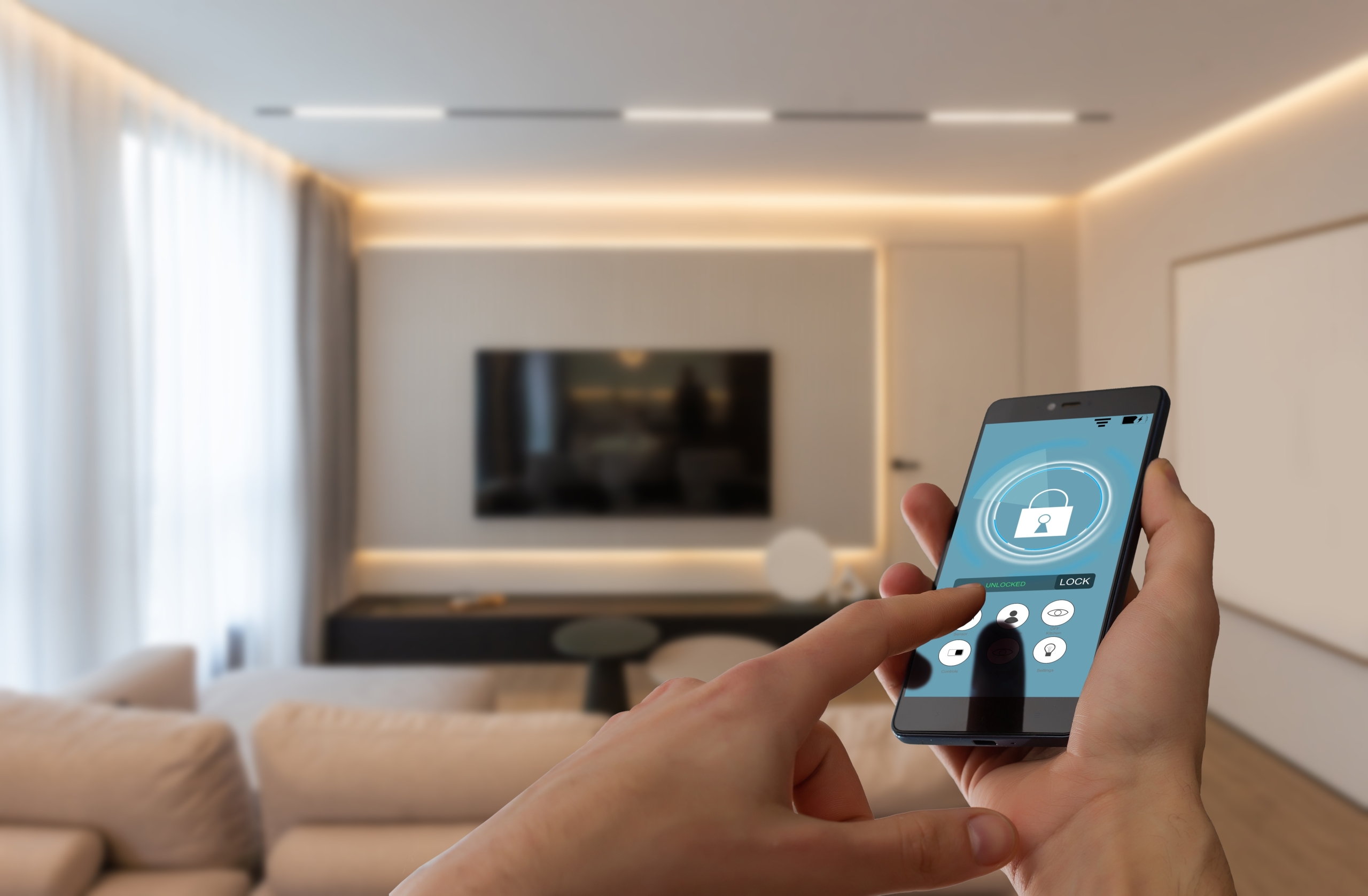
Technology is no longer just an add-on in today’s home. It’s becoming a foundational part of how we live. In 2026 and beyond, smart home automation is less about novelty and more about comfort, efficiency, security, and long-term value.
For homeowners building a custom home in Florida or Georgia, this presents a unique opportunity: instead of retrofitting technology later, you can design your home from the ground up with automation built in. The key is not to install every new device on the market, but to create a thoughtful system that aligns with your lifestyle, priorities, and budget.
This guide will walk you through what home automation looks like today, how it’s evolving, and how to make smart decisions when designing your custom home.
What Is Home Automation?
 Home automation, often referred to as a “smart home,” includes any system that allows you to control devices automatically or remotely. But in 2026, it goes beyond simple controls. Today’s smart homes are integrated ecosystems where devices communicate with each other to improve how your home functions.
Common Smart Home Features
- Smart Lighting: Automated schedules, motion activation, and energy-saving controls
- Climate Control: Smart thermostats that adjust based on occupancy and preferences
- Security Systems: Cameras, smart locks, and real-time monitoring from your phone
- Smart Appliances: Refrigerators, ovens, and laundry systems that can be controlled remotely
- Entertainment Systems: Whole-home audio and integrated media setups
What makes modern automation different is integration, such as your lighting, security, and climate systems can now work together to create a seamless living experience.
Why More Homeowners Are Embracing Smart Homes
Home automation is no longer just about convenience. It’s about building a home that works smarter for you.
Key Benefits of Smart Home Technology
- Convenience: Control your home from your phone or voice assistant
- Energy Efficiency: Reduce energy usage with automated systems
- Security: Monitor and protect your home in real time
- Comfort: Maintain ideal lighting, temperature, and ambiance
- Long-Term Value: Future-ready homes are more attractive to buyers
For custom home buyers, integrating these systems during construction is often more cost-effective and seamless than adding them later.
Are There Any Drawbacks to Home Automation?
While smart home technology offers many advantages, it’s important to approach it strategically.
Potential Considerations
- Learning Curve: Some systems take time to understand and optimize
- Upfront Costs: Advanced systems can require a higher initial investment
- Compatibility Issues: Not all devices work together without planning
- Security Risks: Connected systems require proper digital protection
The good news is that these challenges can be minimized with proper planning and guidance from an experienced builder.
Top Smart Home Trends for 2026 and Beyond
If you’re building a custom home, it’s important to understand where technology is heading, not just where it is today.
1. Whole-Home Integration
Instead of managing multiple apps, homeowners are moving toward unified systems where everything is controlled from a single interface.
2. AI-Powered Automation
Homes are becoming more intuitive, learning your habits and adjusting automatically, such as home lighting and A/C temperature, based on your daily routine.
3. Energy Monitoring and Sustainability
With rising energy costs, smart homes now include systems that track usage and suggest ways to reduce consumption.
4. Wellness-Focused Technology
Features like air quality monitoring, circadian lighting, and water filtration are becoming more common.
5. Seamless Indoor-Outdoor Living
Automation now extends to outdoor spaces, including lighting, irrigation, and pool systems, which is especially important in Florida and Georgia climates.
7 Smart Tips to Get the Most Out of Home Automation
Designing a smart home doesn’t mean adding everything at once. A strategic approach will give you better results and long-term satisfaction.
1. Build a Strong Technology Foundation
Every smart home relies on a reliable network. Make sure your home includes:
- High-speed internet capability
- Whole-home WiFi coverage (mesh systems are ideal)
- Hardwired connections for key systems
Planning this during construction ensures consistent performance throughout your home.
Related: 10 Ways To Make Your Home A Smart Home
2. Start with High-Impact Systems
If you’re prioritizing your budget, focus on areas that deliver the most value, such as:
- Security systems
- Climate control
- Lighting automation
These systems provide immediate benefits and can be expanded over time.
3. Choose the Right Smart Ecosystem
Most smart homes operate within a central ecosystem. Popular options include the following options:
- Voice assistants (Amazon Alexa, Google Assistant, Apple Siri)
- App-based control systems
- Integrated smart hubs
Choosing one primary system helps ensure compatibility and ease of use.
4. Take Advantage of Geofencing
Geofencing allows your home to respond based on your location. Examples of geofencing may include:
- Lights turning off when you leave
- Security systems activating automatically
- Temperature adjusting when you’re away
This not only adds convenience but also may improve energy efficiency.
5. Prioritize Security from the Start
As your home becomes more connected, digital security becomes essential. Some security best practices for your home include:
- Secure your WiFi network with WPA3 encryption
- Use strong, unique passwords
- Enable multi-factor authentication
- Keep devices updated with the latest software
6. Ensure Device Compatibility
Before purchasing any device, confirm that it works with your chosen system. You should look for:
- Cross-platform compatibility
- Integration with your smart hub
- Long-term manufacturer support
This prevents frustration and ensures a smoother experience.
7. Consider a Centralized Smart Hub
A smart hub acts as the control center for your home. Some key benefits of a hub include:
- Simplified control of multiple systems
- Reduced strain on your WiFi network
- Improved automation capabilities
For custom homes, installing a centralized hub during construction creates a more streamlined system.
Designing a Smart Home During Construction
One of the biggest advantages of building a custom home is the ability to plan for technology from the beginning.
Key Features to Consider During Design
- Structured wiring for future upgrades
- Dedicated tech closets or control panels
- Pre-wiring for security, audio, and lighting systems
- Outdoor automation systems
- Energy-efficient HVAC integration
Planning ahead allows you to integrate technology cleanly, without visible wires or costly retrofits later.
Florida and Georgia Considerations
Smart home design should also reflect your environment.
Florida:
- Storm-ready smart systems and backup power solutions
- Smart irrigation for landscaping
- Outdoor living automation (lighting, fans, pools)
Georgia:
- Climate zoning for multi-level homes
- Smart heating systems for seasonal temperature changes
- Integration with larger properties and acreage
An experienced custom home builder understands how to tailor technology to your region.
Create a Smart Home That Works for You
The goal of home automation isn’t to have the most technology – it’s to have the right technology. A well-designed smart home enhances your daily life without adding complexity.
Start by identifying your priorities, such as security, energy efficiency, convenience, entertainment or wellness. From there, you can build a system that grows with your needs over time.
Build a Smarter Custom Home with Covenant Homes
At Covenant Homes, we understand that today’s homeowners expect more from their living spaces. With more than 30 years of experience building custom homes in Florida and Georgia, we help you design a home that integrates modern technology with timeless craftsmanship.
Whether you want a fully connected smart home or a simple, efficient setup, our team will guide you through the options and help you build a home that’s ready for the future.
Ready to Get Started?
Start with a consultation to explore how smart home technology can be integrated into your custom home design. Let Covenant Homes help you build a home that’s not only beautiful, but smarter, more efficient, and built for the way you live today.